On a misty afternoon in Chiloé, a pastoral island off the coast of Chilean Patagonia, chef María Luisa Maldonado tends to a smoking mound of earth. Steam rises from her backyard pit, carrying the scent of shellfish, pork, and milcao, a dumpling made of cooked potato mixed with raw grated potato. All of the ingredients have cooked slowly over the past hour in a subterranean oven, which is covered in fan-like nalca leaves and heated by hot stones. Now, it’s time for María Luisa and her daughter Carol to peel away the leaves and reveal our feast.
“Curanto was the first way of cooking here on Chiloé,” María Luisa explains. “And I think it’s marvelous that we still prepare it to this day.”
Curanto is, in fact, one of the oldest continuously practiced cooking techniques in the Americas, dating back at least 11,000 years. For visitors to this small agrotourism farm, the ceremony is both performance and preservation—a window into a cuisine rooted in centuries of Indigenous Huilliche culture.
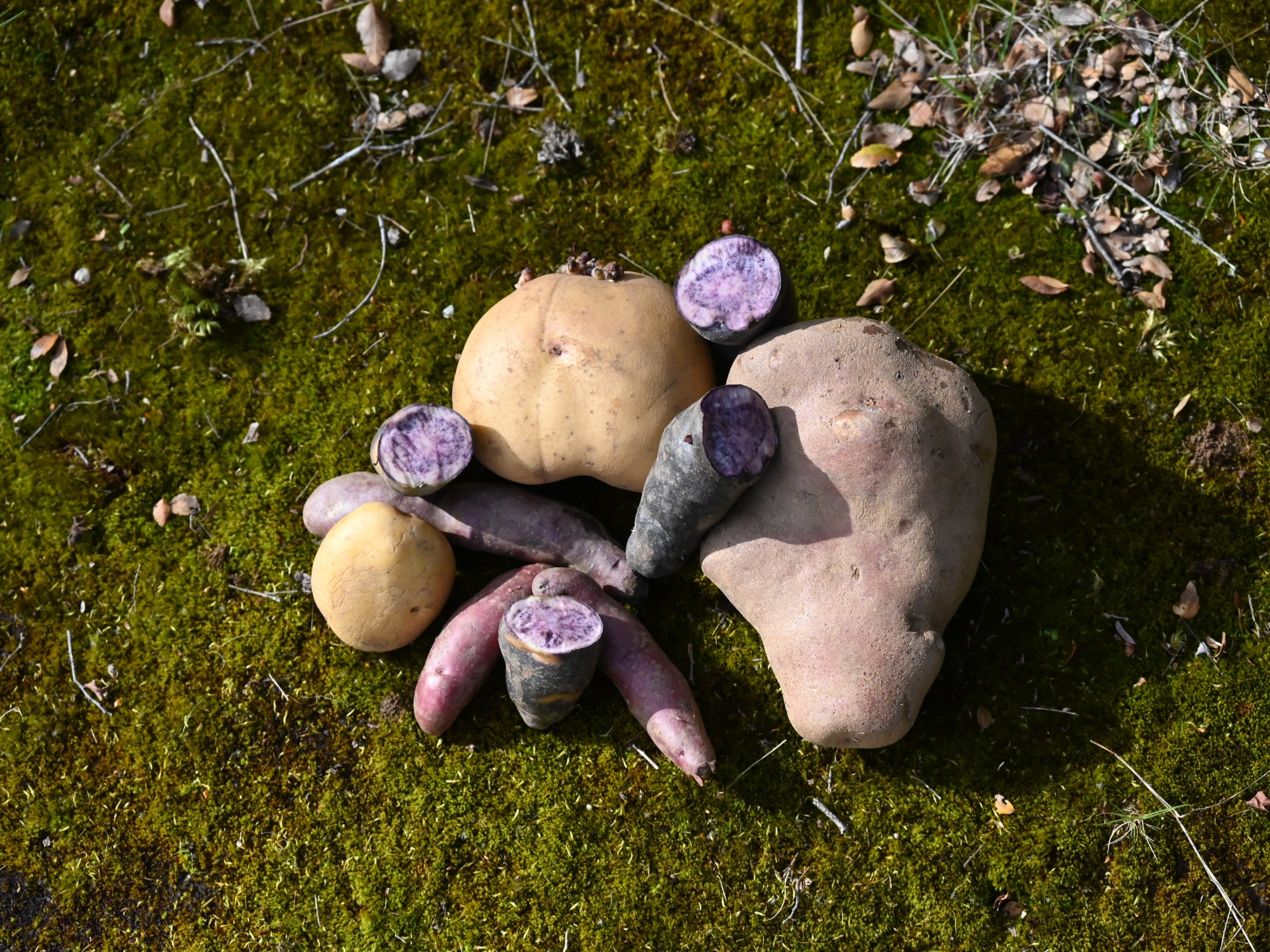
At its heart are the potatoes—purple, pink, and gold—which have sustained Chiloé’s people, and defined their identity, for generations… (continue reading at AFAR)
 Mark Johanson - Travel Writer | Freelance Journalist